

What could be more wonderful than the spectacle of nature awakening with the arrival of spring? The Japanese, so attached to cherry trees (sakura) and their blossoms, have made it a custom in its own right: hanami.
We take you through the cherry-tree fields for a stroll around this practice, as poetic as it is fleeting.
What is hanami?
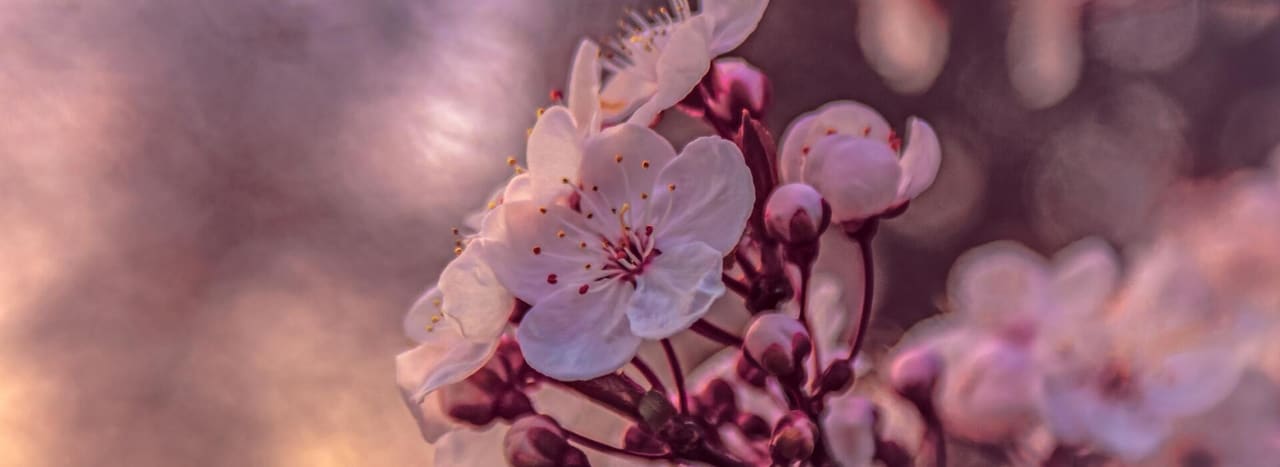
To give a very simple definition of hanami, it's the art of admiring and appreciating flowers, and more particularly those of cherry trees. This custom takes place at the arrival of spring, generally from mid-March to the end of April.
Hanami follows a very precise calendar, that of the "cherry blossom front" (sakura zensen), which describes the progression of cherry blossoming across the archipelago, from south to north. From the 1950s until 2010, the very serious Japan Meteorological Agency even produced forecasts of these bloomings to inform the Japanese.
The blossoming process is very precise. A blooming is considered to be at its beginning when there are fewer than 5 to 6 flowers on a tree. The peak of blossoming is only reached when 80% of the buds are in flower. It's naturally at that moment that residents and onlookers crowd in to admire the spectacle.
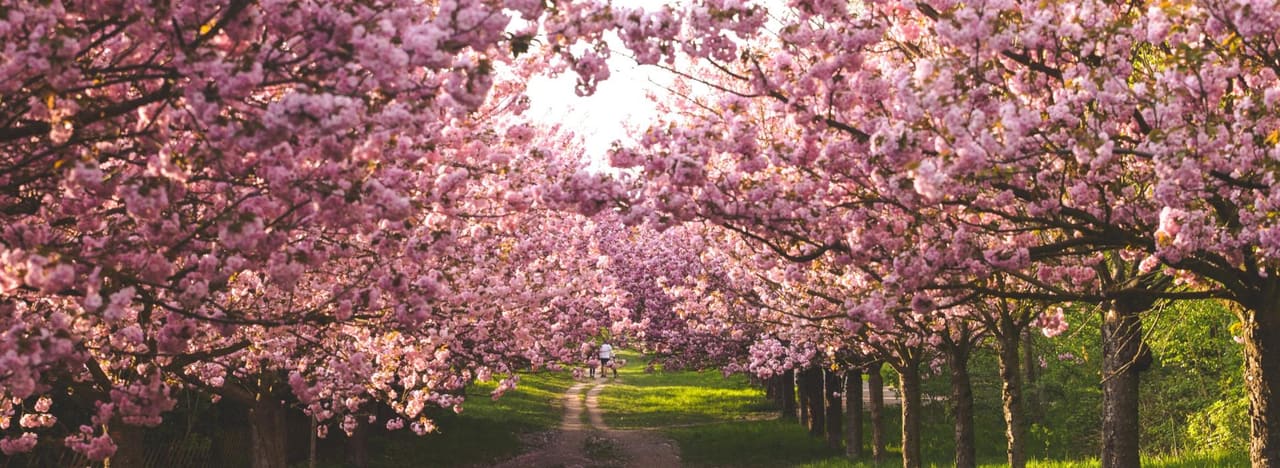
So it's not uncommon to come across strollers with their noses in the air, to witness photo shoots in front of the trees (notably for newlyweds or after the birth of children), as well as many picnics in the shade of the branches. And let us tell you, you have to make the most of it because this event is of very limited duration.
Why give so much importance to these flowers?
Historically
Hanami is a tradition truly anchored in Japanese culture, as it has been perpetuated for several centuries. And for good reason: it seems to have been born during the Nara era, more than 1,200 years ago. At the time, the Land of the Rising Sun was very influenced by everything happening on its Chinese neighbours' side. So it's from China that this taste for flowers is said to come, and more precisely from the Tang dynasty.
Watch out, surprise: sakura blossoms weren't the ones observed and idealised at the time. While the cherry tree truly became the darling during the Heian era (794-1185), the Japanese favoured apricot blossoms until then. Note also that if the cherry tree is so present in the Japanese archipelago, it's because it was massively planted during the Edo era (1600-1868), notably the Yoshino cherry trees, the most observed.
Spiritually
If the sakura is so cherished, it's because its blossoming is considered one of the signs heralding the rice-planting season. The people, believing that gods lived inside the trees, were thus in the habit of placing offerings at their feet and sharing a glass of sake there to honour them and wish themselves good harvests.
There's also a very philosophical dimension to admiring cherry blossoms. With an average lifespan of 15 days, they are seen as the personification of passing time. Fleeting and fragile, they invite us to think about our own lives, which are not eternal.
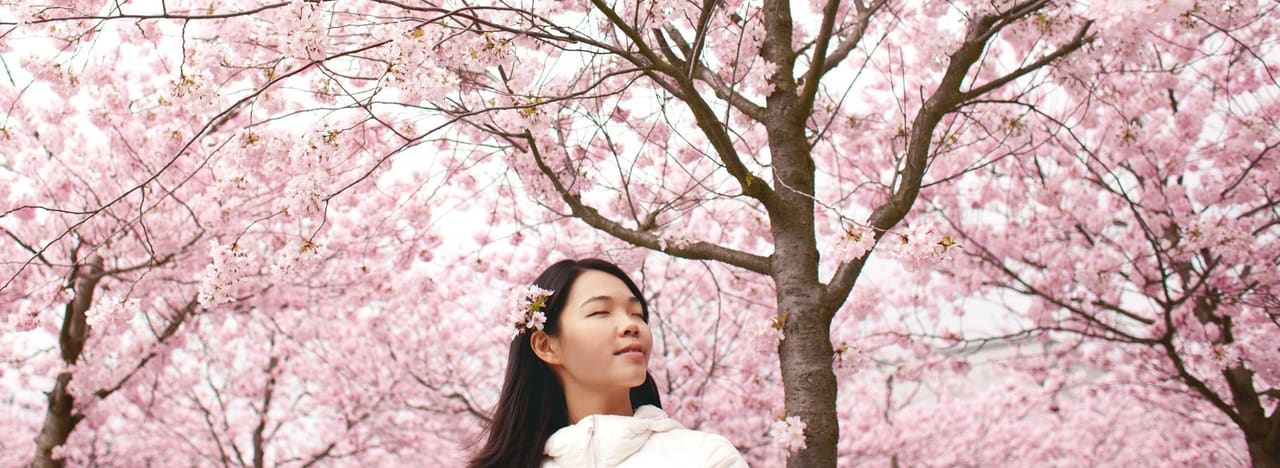
Even today, the Japanese and tourists crowd in to admire the evolution of these trees; there are even maps and guides listing the most beautiful spots to visit. Unfortunately, we don't know whether the symbolic dimension of this spectacle is on most visitors' minds, but one thing is certain: it's a huge hit on social media...


