Whether to inform, entertain or denounce, every culture has known these street storytellers. This practice has even become an art for most.
While France, and notably Lyon, saw the birth of Guignol and his puppet theatre, in Japan it's the Kamishibai. We'll tell you all about these "paper plays".
A simple but oh-so-effective technique
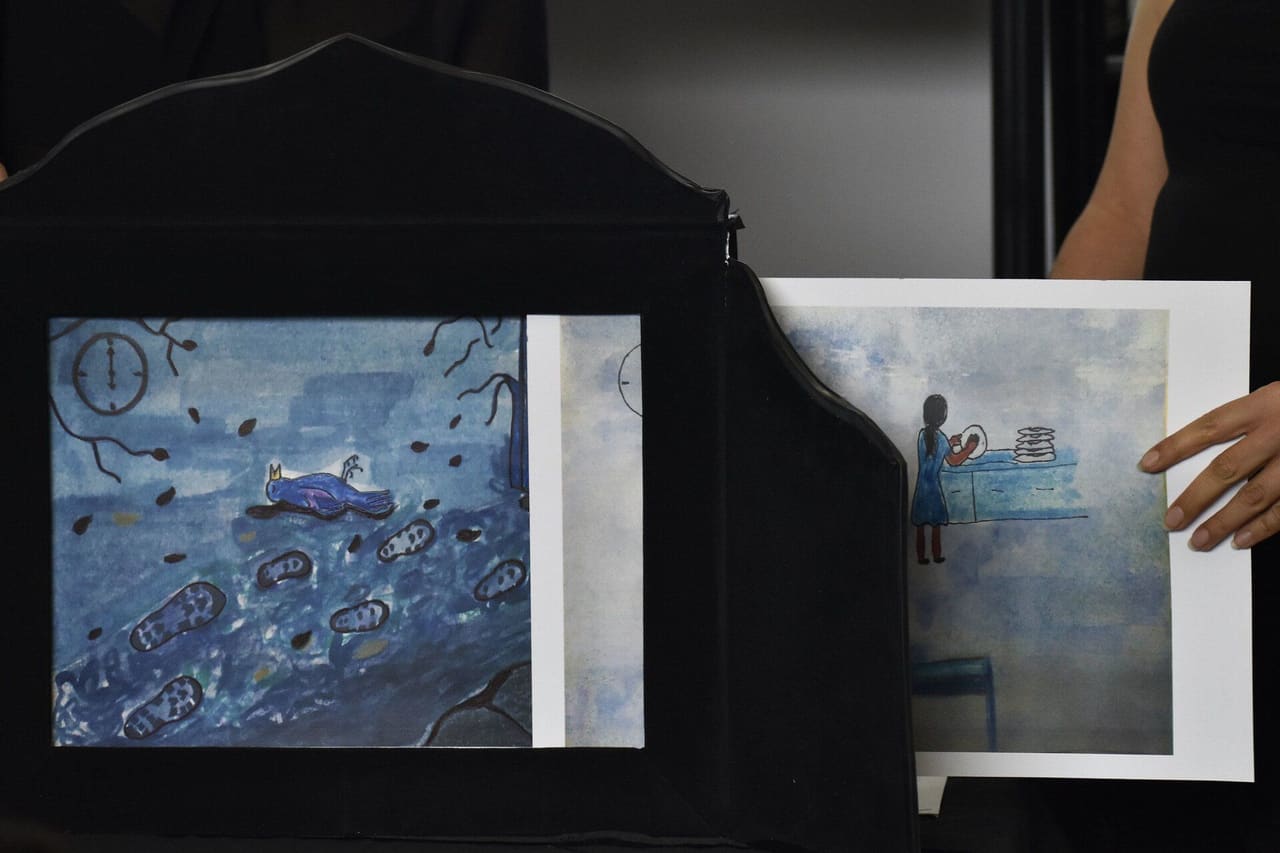
The Kamishibai is a technique used to tell stories, coming straight from Japan. For this, the storyteller uses a small wooden theatre, called "butai". It's made up of a frame and, most of the time, small shutters, to recall the large theatre curtains.
On the side of the frame is a slot where different cards slide in. These cards are numbered and each has an illustration on the front intended for the audience, and text on the back for the storyteller. So, while scrolling through the key points of the story in images, the latter tells the written story associated with it on the back.
Mainly intended for children, the stories are condensed onto a maximum of about fifteen cards in order to keep the audience's attention. The storyteller will also have fun creating suspense by gradually revealing the next illustration, sliding the cards according to narrative cues, helping to spark curiosity and imagination.
Light and belonging to the street arts, the "butai" were notably installed at the back of the bicycles of travelling artists.
An art that doesn't age
Originally, the process used by the Kamishibai takes up the practice developed by monks in monasteries from the 12th century. They used rolls of paper and illustrations to share messages, mostly moralising, with the partly illiterate populations.
But the Kamishibai saw a resurgence in notoriety at the start of the 20th century, notably with the advent of cinema. In the 1950s, the practice was booming, and some manga heroes and characters had their first hours of glory there.
Inexpensive and easily transportable, this art of illustrated storytelling was of course exported all over the world, notably to Europe, for street shows. The Dutch would moreover add an element that is still very appreciated today, as it's in keeping with the initial spirit: a lantern at the back of the little theatre to make shadows play.
Today the Kamishibai remains a very widely used storytelling technique. This is notably the case with children in schools and nurseries. It's found to have virtues for the development of imagination and speech in them. It's also a stimulation method offered during workshops for the elderly.
Making your own Kamishibai theatre
If you too want to give a fresh twist to your children's stories, or offer a little entertainment during festivities, you can build your own Kamishibai support.
Simpler than a wooden construction, it's totally possible to create a little cardboard theatre and personalise it.