

Japan is known for various things: its food, its politeness, its cherry trees, its landscapes but also, and above all: its hygiene.
The country's cleanliness always strikes tourists who set down their bags in Japan.
Today Kajiro takes you through the lifestyle of the Japanese.
Impeccable hygiene from childhood
From the youngest age, children are used to keeping clean and doing the cleaning.
At the end of the school day, the teachers divide the pupils into five lines in order to clean the premises. Generally lines 1 and 2 take care of the classroom, lines 3 and 4 the corridor and stairs, and line 5 the toilets; and this in every school in the country.
From primary school to secondary school, cleaning time is part of the pupils' daily programme. Children are taught very young that it's bad not to keep your space and your things clean.
For example, it's simply unthinkable in Japan to enter a place with dirty shoes.
Integrating cleanliness into the school programme helps children become aware of their environment and be proud of it. They won't want to dirty or damage a space they have to clean themselves.
Training the Japanese in hygiene from the youngest age allows them to become aware of and keep clean their entire environment, from their classroom to their city.
Habits maintained in everyday life
The Japanese take great account of others' gaze and pay close attention to their reputation; they don't want people to think they're 'bad people', lacking the upbringing to clean up after themselves.
A few points on which the Japanese are a source of inspiration in terms of cleanliness:
Bins
Japan is a very clean country despite the absence of bins in the streets.
But how do they do it?
They're used to keeping their rubbish in their handbag. They put it in the bin once they get home.
The rubbish is collected by tiny bin lorries, and there are no containers to put your rubbish outside.
As in France, there's waste sorting, and even there, you wouldn't say it's rubbish, so carefully do the Japanese arrange their waste and tie up in bundles what can be tied.
Cigarette butts
Regarding cigarette butts, the bane of the French, special zones are reserved for smokers in certain parts of the cities. You'll never see a Japanese person smoke outside these zones, or throw a cigarette butt on the ground. They use pocket ashtrays in which they put their ash and their butt, which they then empty at home.
Wearing a mask
The period requiring it, we're gradually getting used to wearing a mask daily. In Japan, this practice has been common and very widespread for many years now.
As soon as an inhabitant feels a bit unwell, they wear their mask in order to avoid contaminating others with their germs.
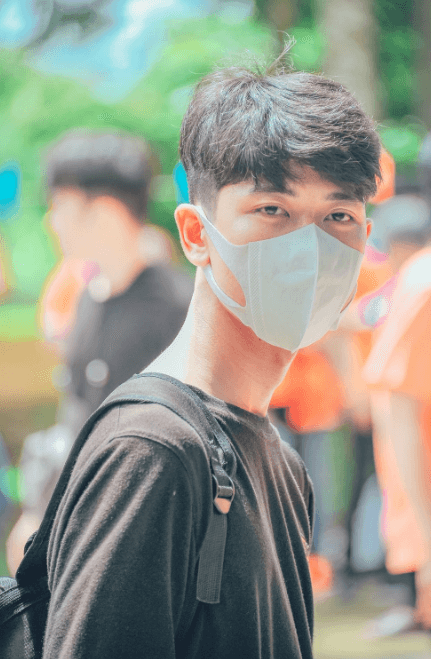
The mask also lets them protect themselves: in winter, it helps not to breathe the air directly and to avoid throat irritations or catching cold. In spring, the mask is an effective barrier against allergies. Many Japanese are allergic to pollen. And in summer, wearing a mask lets them be protected from the sun and its UV rays.
The Japanese also use their mask to protect themselves from bad smells. Some are scented, which lets them spend the day with good smells in their nostrils. And by also avoiding bothering others with their own bad breath.
Organised building sites
Even building sites are incredibly clean. The workers don't leave anything lying around. Mobile toilets are installed for the duration of the works, and every evening, everything is perfectly cleaned and tidied as if it were office work.
Dogs
In the street, owners always clean up after their favourite pooch. They always have a plastic bag and a bottle of water to rinse after their animal. And in certain buildings where animals are allowed, they're nonetheless not allowed on the ground in the common areas, so their owner uses the famous dog strollers!
Impeccable hygiene at home
Cleanliness and hygiene are present daily in the lives of the Japanese. At home, they set up various habits to stay as clean as possible.
The shower
The Japanese don't use the shower as we, Westerners, do. To wash, they shower sitting on a stool (to avoid splashes) in order to clean themselves as well as possible. Once the shower is taken, they slip into their bath of boiling water to relax.
The shower is separate from the bathtub, because the latter isn't made for washing.
Generally, the same water is used for all the family members. The bathtub is only emptied when everyone has finished. So the bath is for relaxing. And nothing else. The water must stay clean and clear, for whoever is waiting their turn.
The toilets
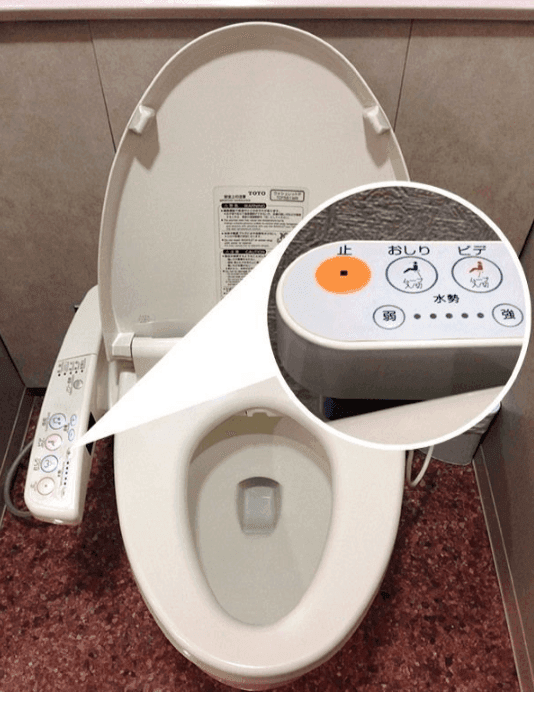
Ah, Japanese toilets! You've surely already heard of these famous 'washlets'.
These toilets with sprayers are present in three-quarters of Japanese homes.
Japanese toilets are washing toilets with a built-in bidet, allowing physical contact with body secretions to be eliminated.
They're often equipped with a drying system so you feel dry once your business is done.
Sometimes the bowl has a heating system that avoids the feeling of the frozen bowl when you wake up.
The height of luxury!
The Japanese are real examples in terms of cleanliness and hygiene. Why not take a leaf out of their good habits!


