

Let's not lie to ourselves: whether or not we know Japanese cuisine, we've all already asked for explanations about the composition of certain dishes.
Aficionados and amateurs alike have already found themselves discreetly searching on their smartphone for the translation of terms from the peninsula. These don't always have a French equivalent, hence the use of the original name.
So no, we won't talk about the words designating the broad categories of dishes such as donburi, onigiri, sashimi, etc... but rather about that little element present in the composition, which often makes you hesitate to try a speciality.
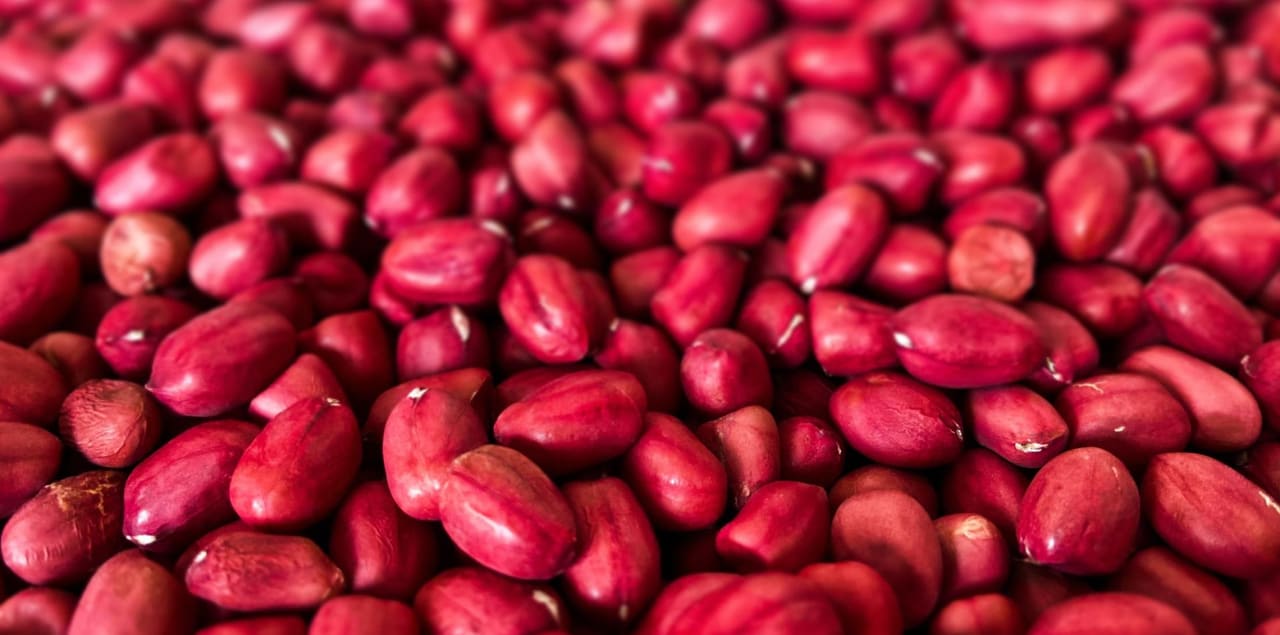
Azuki
The azuki, also called the "Japanese red bean", is none other than a legume. It's a red/burgundy-coloured bean harvested from an annual climbing plant. Very widely used in the various types of Asian cuisine, the beans are mostly served in sweet preparations. They're found notably in the form of a paste to fill desserts, as in dorayaki.
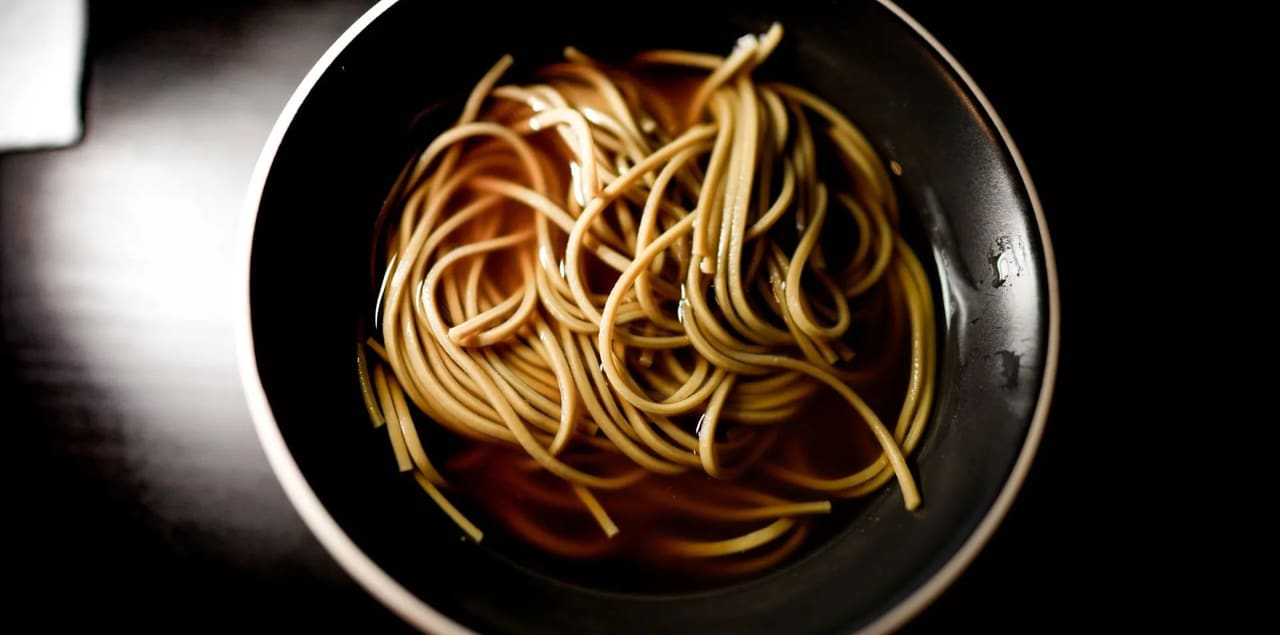
Dashi
It's the base of many Japanese preparations, notably soups, like miso soup for example. Dashi is a broth made from dried ingredients soaked in water. There are at least 5 types of dashi: dashi kombu (with the seaweed of the same name), dashi katsuo (generally from dried fish, bonito), dashi awase (a mix of kombu seaweed and dried bonito), dashi niboshi (with dried sardine or anchovy fry), and dashi shiitake (named after the dried mushroom it's made from).
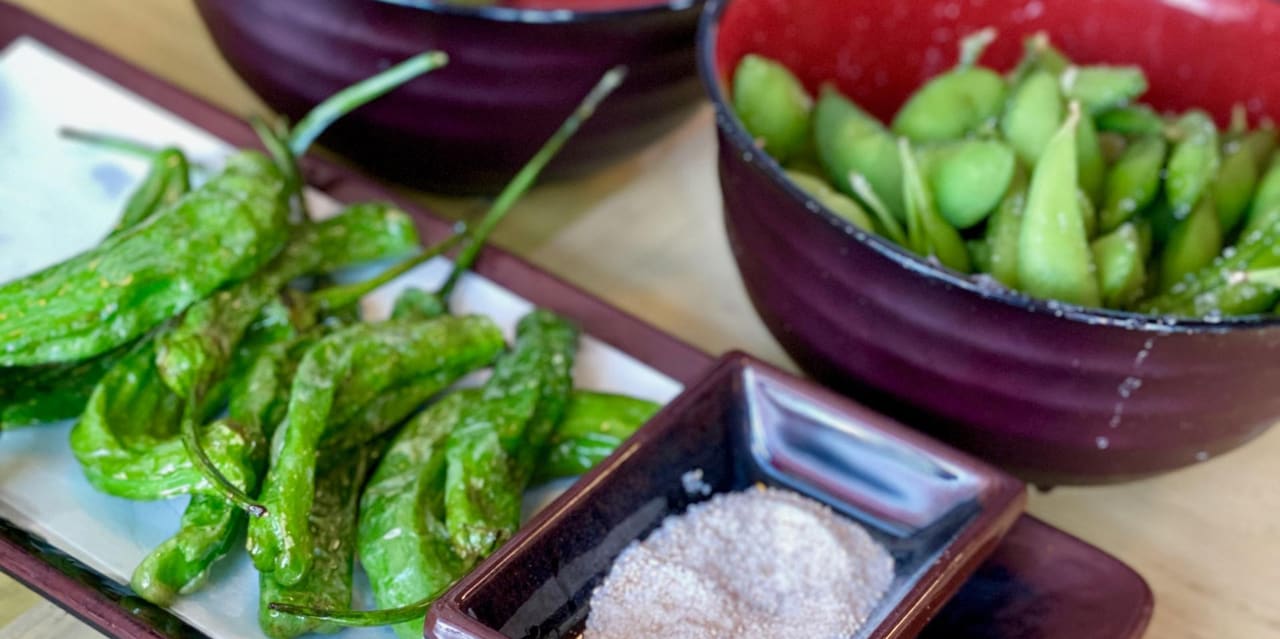
Edamame
It's an extremely common term in Japanese dining, and for good reason. Edamame, often served as a salad as a side, is a preparation made from still-green soybeans previously boiled in salted water. In appearance, you might find a slight resemblance to the green bean, and yet it's nothing of the sort. They can be served directly in their pods, and are also enjoyed with pleasure at an aperitif, as a nibble.
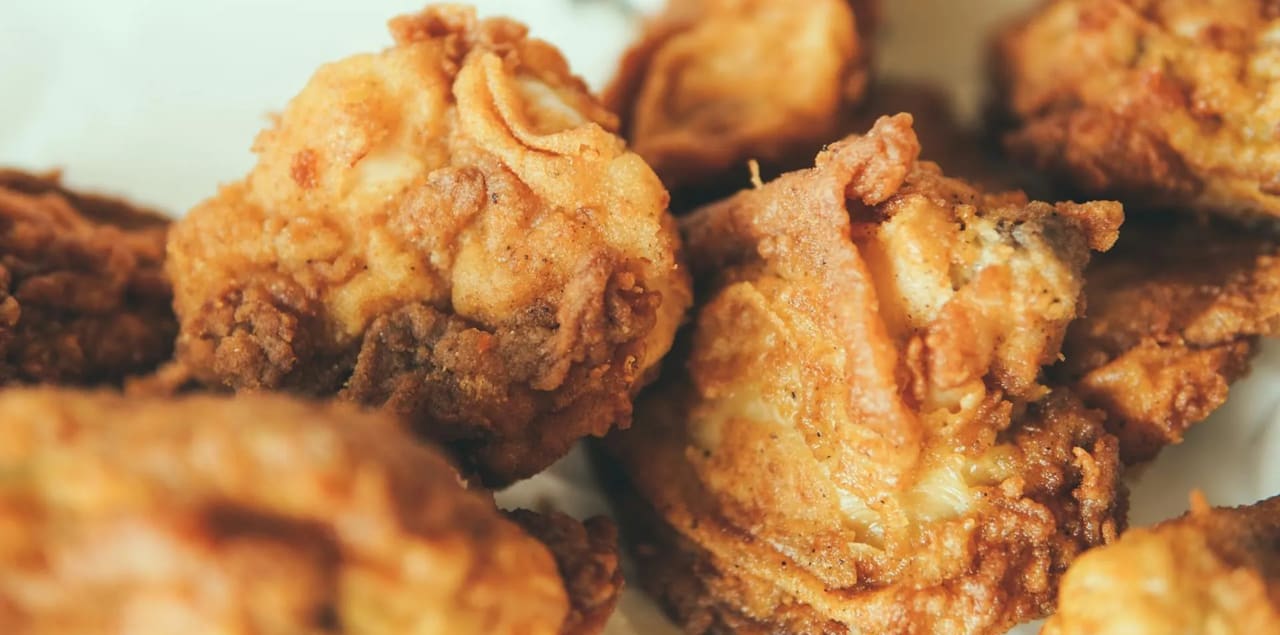
Karaage
Karaage is a Japanese technique of cooking in oil. The foods, vegetables or meats, are thus fried and can resemble fritters or tempura. The products are first cut into small pieces before marinating in soy sauce to soak up its taste. Then, as with any frying preparation, rolled in flour and egg and finally plunged into the hot oil bath. The most widespread karaage recipe, which you'll therefore probably find on restaurant menus, is the chicken-based one, but don't hesitate to try the other fillings.
Shichimi
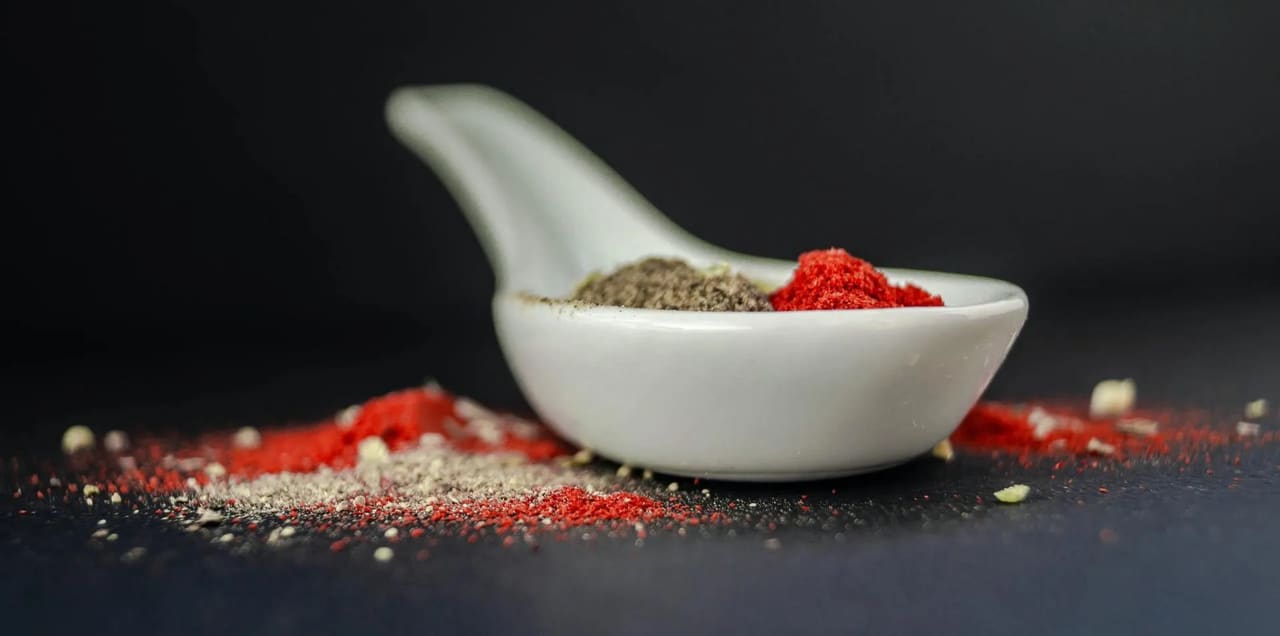
Shichimi, also called "shichimi tōgarashi" or "nanami tōgarashi", is none other than a Japanese spice. Well, a blend of 7 spices to be quite precise. It's generally made of red chilli, mandarin zest, sesame seeds, poppy seeds, hemp seeds, nori (dried seaweed), and sanshō (a kind of Sichuan pepper). In some variations, you can find ginger, yuzu lemon or rapeseed. Very widespread in Japan, you can find this spice notably in noodle, rice or soup preparations, and in certain sweet specialities.
Takuwan
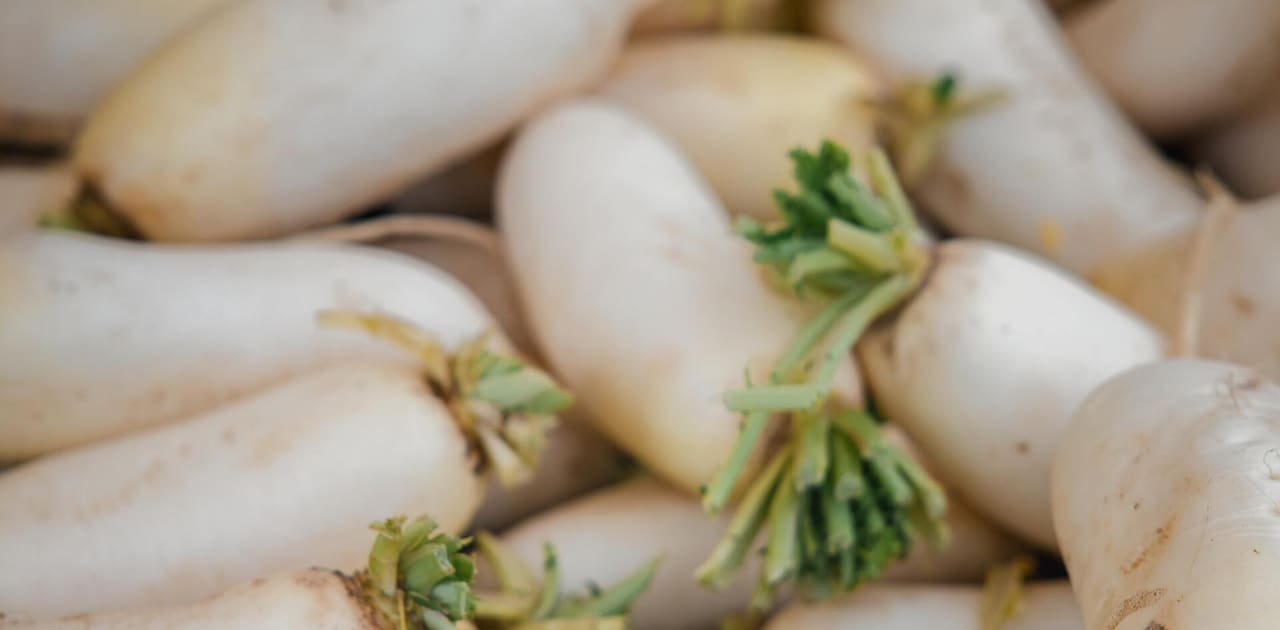
Takuwan is none other than a technique for preparing and preserving daikon. But what is daikon? It's a kind of Asian radish, white in colour and rather large (like a big white carrot). It's a juicy vegetable whose taste is less pungent than the small radish we know. Takuwan is therefore pickled daikon, taking the form of pickles. To do this, the vegetable is hung to let it dry out or be smoked, then plunged into a preparation made mainly of rice bran, salt and sugar. It's after several months of maceration that the daikon becomes takuwan, much yellower and more pungent.
Wakame
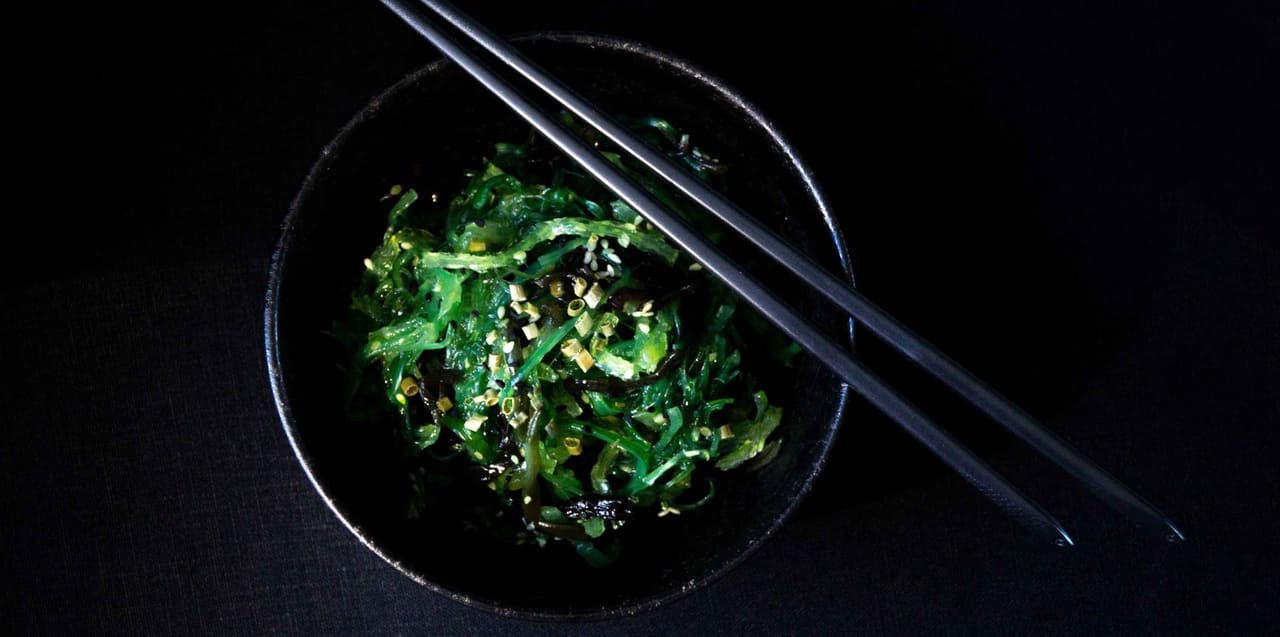
Just like nori, kombu, aonori or sea lettuce, wakame is a seaweed. And we know how important seaweed is in Japanese cuisine, notably for its nutritional virtues. Wakame is the one with the least taste and can therefore appeal to novices somewhat frightened by this type of product. Most of the time dried then rehydrated, this "sea lettuce" is enjoyed as a maki wrapping as well as in soups, and even in salad.
Yasai
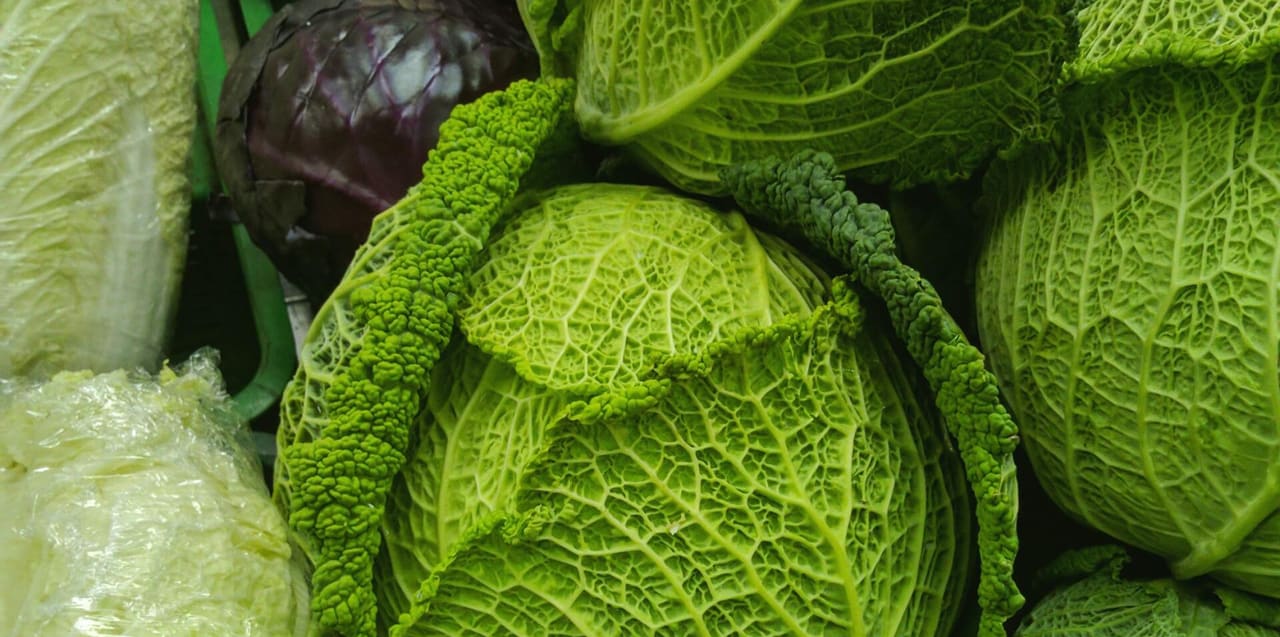
The definition is quite simple, because it's actually just the translation of the word "vegetable". Yasai men are therefore quite simply vegetable stir-fried noodles, to give just that example. Among the most eaten in Japan are cabbages (white cabbage, Chinese cabbage...), roots (turnips, carrots, daikon...), salad (iceberg in particular), beans, peas, cucumber and many others.
All that's left is to save the article's link somewhere on your phone or take a few notes, to be sure not to get it wrong at your next order in a Japanese restaurant 😉


