

Japan has many codes; discover a few of them before leaving for the Land of the Rising Sun.
We've got our hands on a selection of tips that could be useful to you. Here are a few.
Japan, 5 things to know
1. (Cash) money is king
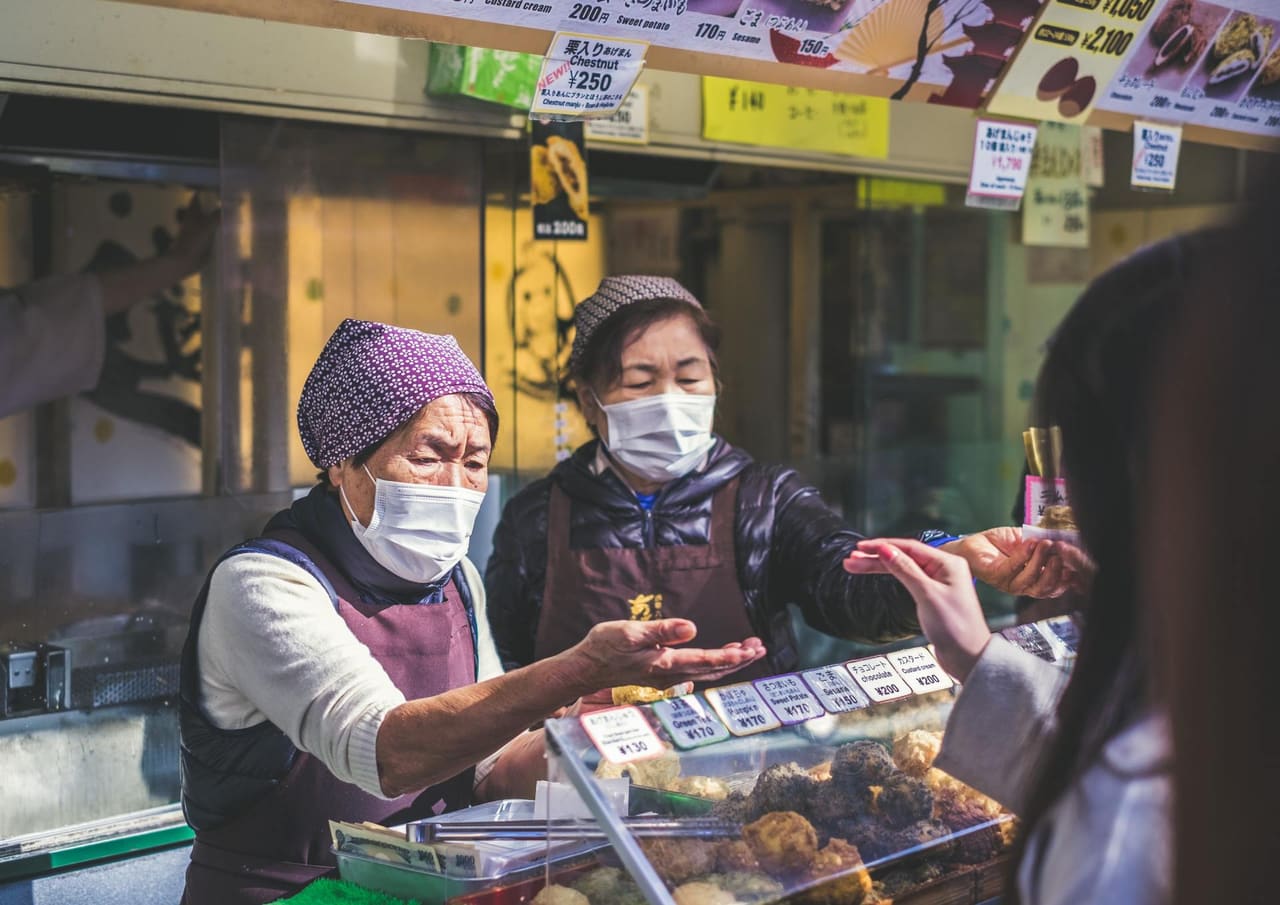
Japan is at the cutting edge of technology, but the country is still a little behind when it comes to money. In 2016, many shops and restaurants in Japan still only accepted cash. Particularly for getting around, always have cash on you.
For the Japanese, it's not unusual to carry several thousand yen in their wallet daily. Japan having very low crime rates, there's no reason to worry.
Money is an artisanal product; the Japanese keep their notes clean and straight and would never crumple them.
Money has an important value in their eyes.
It's given for all occasions:
- At weddings or funerals in a decorative envelope (with a different amount depending on the person's age and the relationship with the people in question),
- During prayers in a temple, they are preceded by a cash offering.
- At New Year, an adult's gift to a child must be money.
2. The rail network is (very) extensive
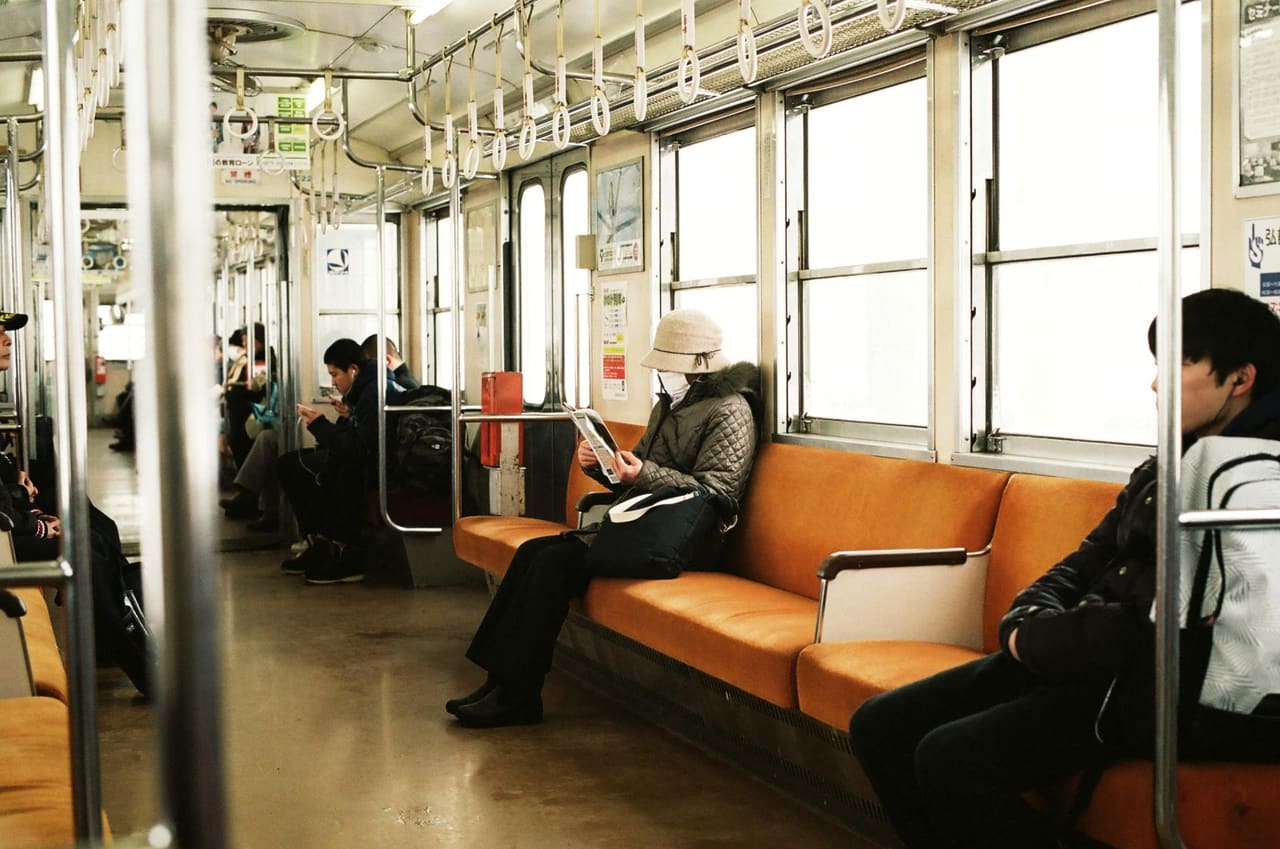
Tokyo's rail network comprises more than 150 lines, nearly 50 operators and extends over nearly 5,000 kilometres. Delays are rare or generally limited to 2 to 3 minutes. There are almost no cancelled trains. It's a dream!
With more than 2,000 stations in the Tokyo metropolis, underground and overground trains are your best transport option in the city and, compared to other urban networks, it's not too expensive.
And don't worry, all the stations have signs in Japanese and English!
3. There are no street names
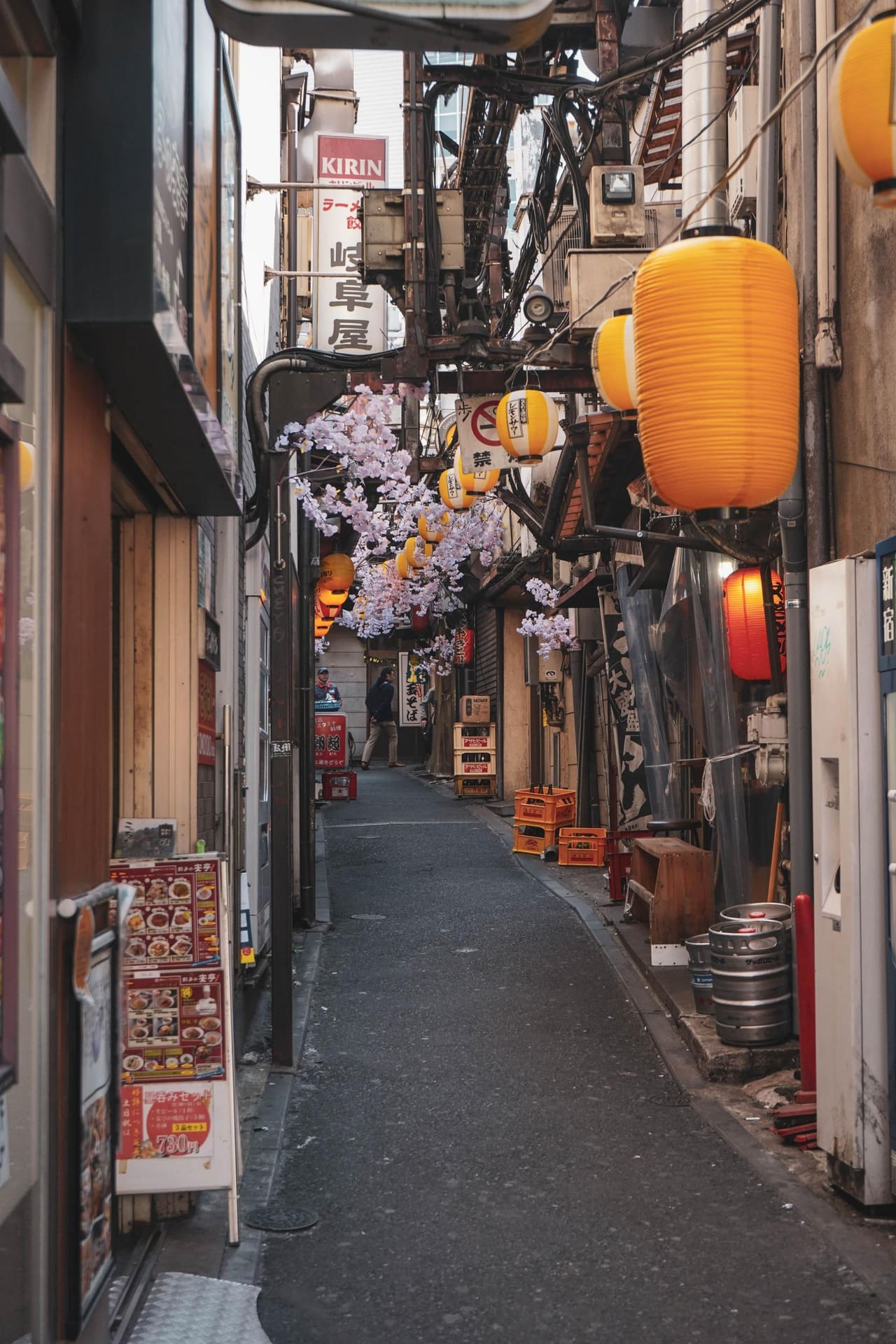
Before the widespread use of the smartphone and GPS technology, finding addresses in Japan was a real headache!
Not so long ago, trying to find where someone lived could take hours of searching.
Most towns and villages in Japan have street names only for the major roads, and these are for ceremonial purposes. Named roads don't appear on addresses. Instead, the postal system is similar to the one used in ancient Rome, where urban congregations are divided first into zones, then into neighbourhoods, then into other subdivisions. Therefore, a Japanese address is based only on buildings — not on the spaces between them, i.e. the streets.
So it'll be difficult to find your way, even with the help of Google Maps. It won't be uncommon for the GPS to bring you somewhere near your destination, leaving you to find your final destination yourself.
4. Restaurants have particular importance
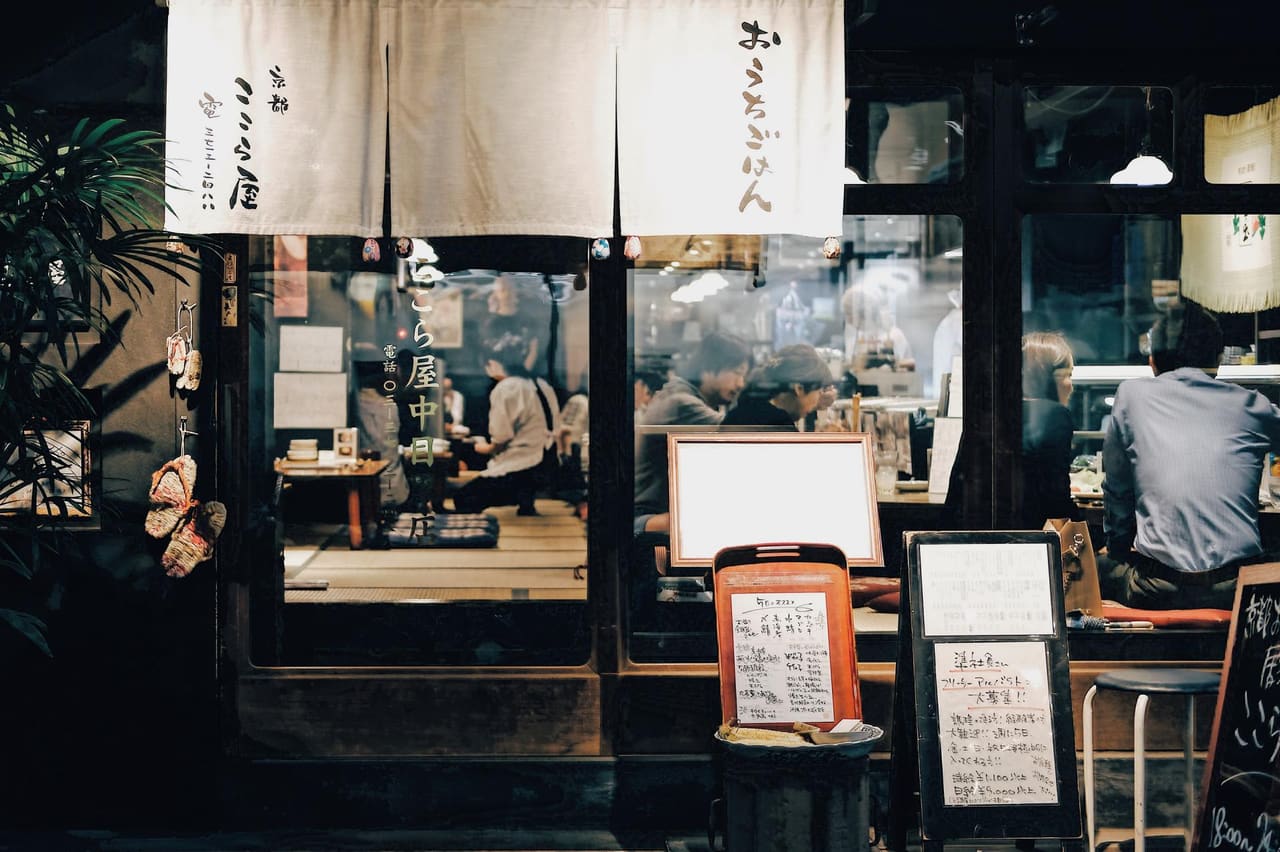
It's very common to eat at a restaurant. Most business negotiations are conducted or concluded in a restaurant. For many companies, regularly joining colleagues for dinner and a drink after work to build bonds is a common practice and culturally hard to avoid. Restaurants serve as meeting places to spend time with friends and acquaintances.
Most Japanese have a list of restaurants they proudly recommend. Knowledge of an off-the-beaten-track place is particularly prized in Japan, as are small restaurants where you can feel unique.
A restaurant's reputation matters
While walking around Tokyo, you'll probably see queues outside certain unassuming restaurants even though a restaurant next door is empty. The most popular places often have a reputation built over the years, even over decades; it's often a family business that knows how to make good dishes and attract demanding crowds. Now, and for several years, reputations are often generated by TV appearances.
Good to know:
You may be refused at the door because you're a foreigner, for three reasons:
- restaurants will be afraid of making mistakes and therefore disappointing people who don't share the same culture and who could potentially complain and harm their reputation,
- some establishments will only be open to you with the introduction of a trusted sponsor,
- some places don't trust foreigners to behave in a civilised way and fear that a table full of non-Japanese might put off the crowd.
5. The Japanese are proud to be humble:

It's said that the Japanese are both the proudest and the most humble.
They have a particular affection for humility, which includes respect for elders and superiors, a love of order (and rules) and a constant search to perfect their actions.
Japanese has several levels of politeness. The phrases used to say something to a friend can increase exponentially when directed at a superior or an esteemed customer.
For the Japanese, humility is also self-effacement and therefore showing or feigning embarrassment in delicate situations to avoid direct confrontation. They know that their interlocutor follows the subtle codes of social decorum.
Want to learn more? Watch this video and tell us what you learned!


