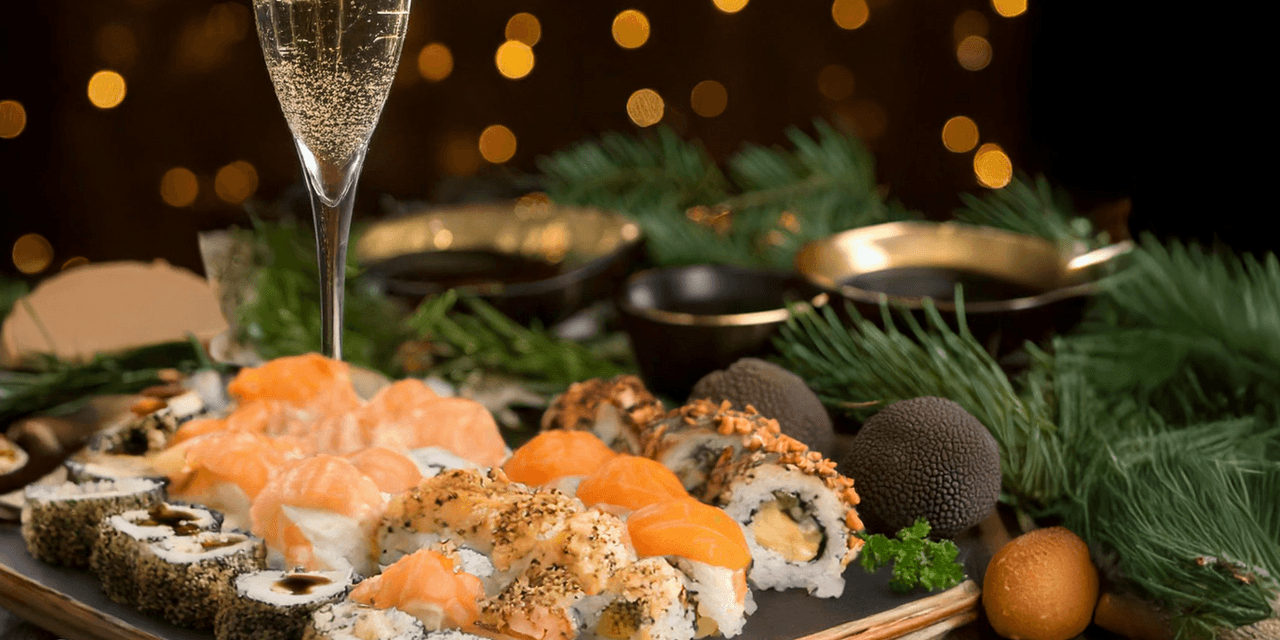
Ikejime is a thousand-year-old technique for killing fish. But while the primary objective of this very specific method is still recognised, it's now found to have other qualities, the most important of which is the animal's lack of suffering.
What is the process?
To practise ikejime, you must equip yourself with a specific tool called "tegaki". It's actually a solid metal rod, which you can now find in kits specially designed for ikejime.
As soon as it comes out of the water, and to avoid any source of stress, this rod is driven into the animal's brain (between the two eyes) to carry out the decerebration. This rapid method, causing the immediate destruction of the brain, ensures a painless death for the fish.
The second step consists of inserting a long rod again, but this time along the main spine. You must keep holding the animal, since it can still move, but don't worry — its brain being already dead, these movements come only from the nerves responding to the rod's stimuli. Still no pain for the animal. The goal here is to disconnect the nervous system from the spinal cord, which resembles a demedullation.
Finally, the last step is bleeding. An incision is made at the animal's gills, which causes a haemorrhage and therefore an abundant, rapid flow of blood.
The 3 benefits of this method
Better preservation
This ancestral technique was initially meant to solve a problem of the time: how to preserve food? And especially fragile foodstuffs like fish. So it was by practising ikejime that the Japanese ensured better preservation of this delicate product. Indeed, by removing the nerve endings and making sure to drain the animal of its blood, this allows a later ageing of the flesh and therefore possible later consumption.
Better product quality
The same goes for the taste, which was only discovered later, but which nonetheless makes this process famous now. Thanks to it, the muscles and flesh are no longer linked to the nerves and therefore retract later. The tissues remain tender and the pieces therefore offer all their flavours, cooked or raw.
The animal's lack of suffering
It's the most important point when broaching the subject of ikejime. Without knowing it, these ancestor fishermen put in place a process that ultimately protects the animal from all suffering. Better still, the action being carried out as soon as the fish comes out of the water, the stress is minimal. The metal rod being enough to eliminate the brain's functions, you then ensure a painless manoeuvre for the animal.
Although impressive to watch and to carry out the first few times, Ikejime seems to be the most appropriate technique for ensuring a quality product and therefore developing umami ("delicious taste"). But it's also, and above all, to guarantee a death without suffering for the fish.