What if creating tiny urban forests became one of the alternatives to contemporary environmental problems? Initiated by the Japanese botanist Akira Miyawaki, this method of the same name is gaining followers around the world, and more than forty of these forests already adorn the French landscape. But what are the benefits?
Akira Miyawaki's work
Akira Miyawaki is a Japanese nonagenarian, botanist, university professor, expert in plant ecology and seed specialist. Unconditionally in love with nature, he takes an interest in forest restoration by practising retrospective ecology, which, simply put, relies on the study of local ecosystems. Originally from Takahashi, he first observed that only a tiny portion of his country's forests are indigenous. This means that most of the trees present in the territory's forests are not plants native to Japan, or to the environment in which they are planted. His work also looked at the micro-forests generally surrounding Japanese temples and cemeteries, and their benefits for the surrounding environment.
Miyawaki is behind the planting of nearly 1,700 micro-forests in the world, and many local organisations now take up his work to develop their own green spaces.
Why does this method have nothing but advantages?
Thanks to the Miyawaki method, the surroundings of this type of planting enjoy many advantages:
- sound absorption
- the reduction of dust
- the limitation of landslide risks
- carbon storage 40 times greater
For real effectiveness and the establishment of a stable ecosystem, these forests host only indigenous plants, suited to the place, developing naturally in the regions concerned. This is moreover one of the factors making the growth of plants in these places extraordinarily faster than in a traditional forest, up to 10 times faster.
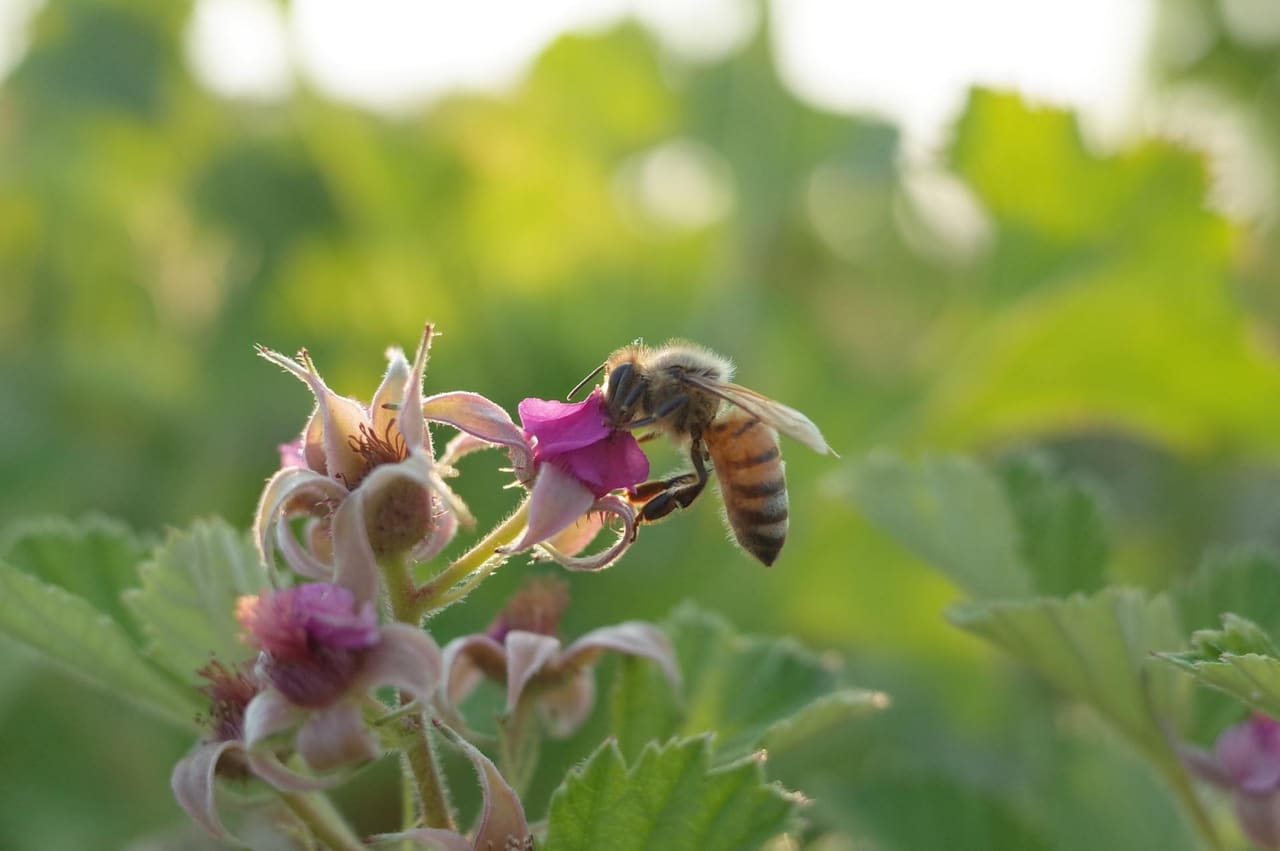
The effects are also measurable on a larger scale, because setting up spaces of this type contributes on one hand to the fight against climate change but also to the protection of animal species. Setting up several forest islands in a territory indeed allows wildlife to find places to feed, settle and develop in complete peace. Beyond offering new little lungs to urban areas, we notice a greater density of animal species than in any other place in a city. Insects, birds, rodents and amphibians more easily take up residence there.
What are the planting steps?
- Identify the problem areas suited to hosting a new ecosystem
- Study the terrain and the native plant species that can develop there
- Select and prepare the seeds as well as the terrain with natural methods (ploughing, manure...)
- Organise the participatory planting to involve as many volunteers as possible
- Maintain the space for 3 years, ensuring its watering and weeding out the plants harmful to the proper development of the selected species
Through this ambition to green urban centres, the Miyawaki method offers cities real additional lungs but also a real alternative for the sustainable development of ecosystems previously under threat.