

Beyond its exotic, change-of-scenery side, Japanese food has many benefits for our health.
Japanese cuisine is mainly made up of foods with multiple health virtues: ginger, seaweed, green tea, rice, oily fish, soy...
We'll explain everything!
Foods with many virtues:
1. Raw fish
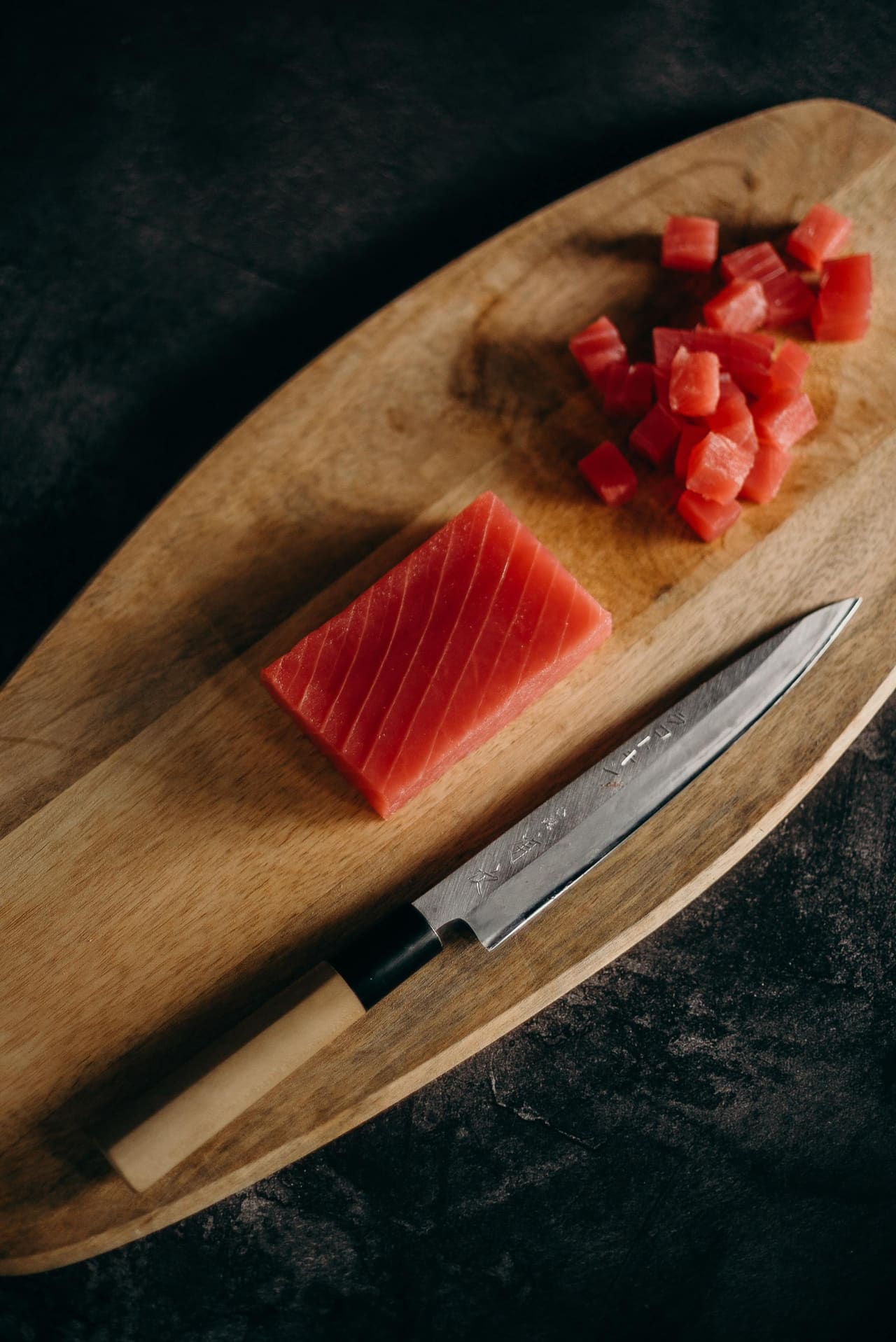
Raw fish is rich in protein and minerals (iron and zinc):
- Iron helps the human body grow properly and maintain robust health.
- Zinc notably helps with skin, nail and hair problems.
Oily fish (salmon, tuna, mackerel...) contain omega-3 fatty acids that:
- help prevent cardiovascular diseases
- help treat certain mental disorders,
- improve eye health,
- help reduce inflammation symptoms.
All these nutritional elements are present in raw fish, but are generally destroyed when the fish is cooked.
2. Seaweed
The nutritional value of seaweed is exceptional. Indeed, it has detoxifying properties and stimulates the immune system.
Moreover, the fibre contained in seaweed helps prevent cardiovascular diseases and certain types of diabetes. Eating it would also help reduce cholesterol levels in the blood.
3. Edamame
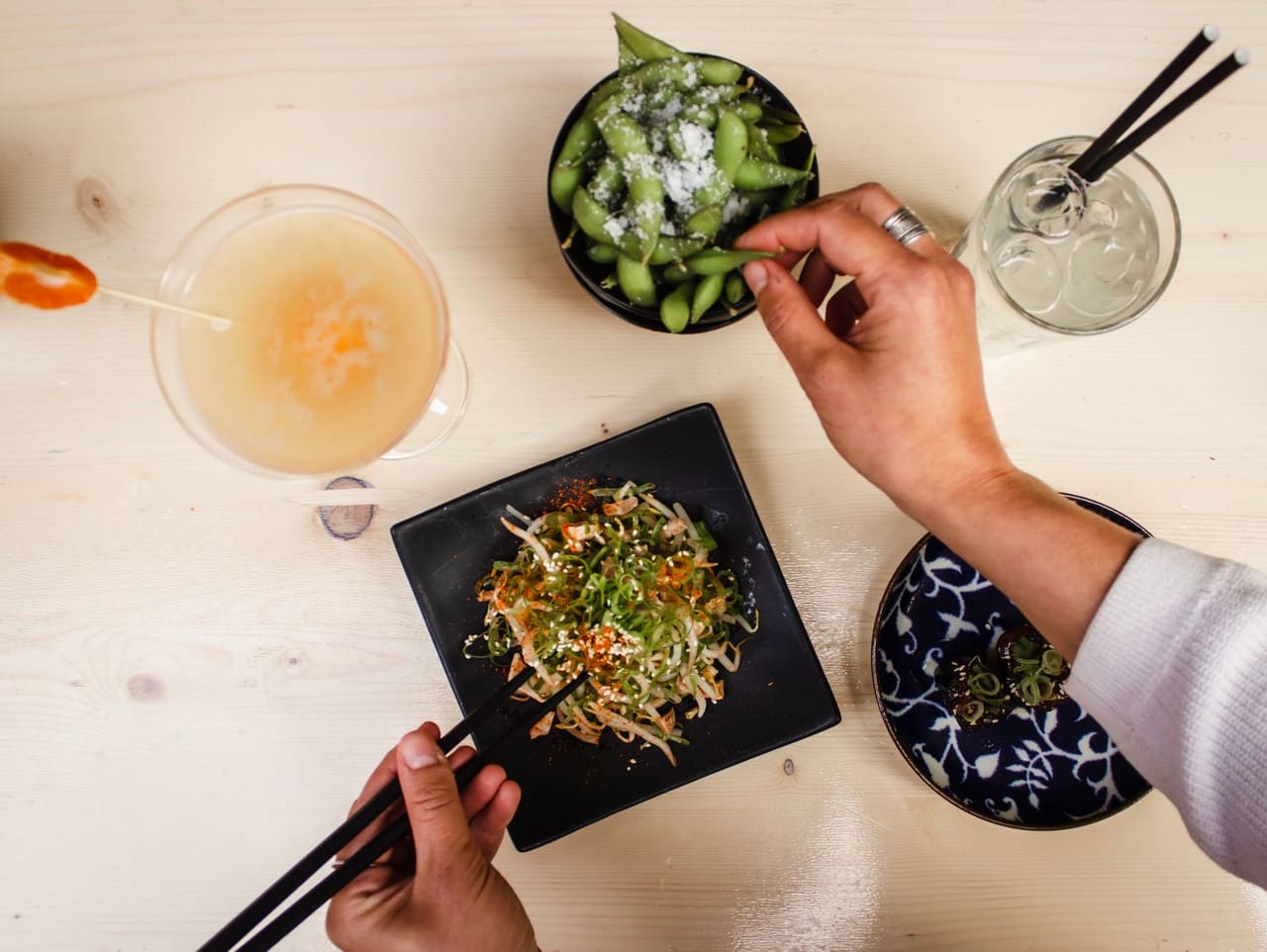
Edamame are an excellent source of mineral phosphorus and protein. They're rich in plant-based iron, perfect for vegetarians! Above all, it's their phytoestrogen content (a component acting to prevent cardiovascular diseases and certain types of cancer) that makes them a superfood.
4. Rice
Rice is a good source of energy; its cooking method, which removes the starch, makes it much more digestible.
It belongs to the starchy-food family and provides plant proteins. It's a source of vitamins and minerals.
Rice:
- Helps combat transit disorders
- Is low in fat and therefore doesn't make you put on weight
- Offers a strong satiating power
- Helps reduce the consumption of saturated fats
- Allows better absorption and assimilation of nutrients, including those of fruits and vegetables.
Rice is a food of choice for people intolerant to gluten.
5. Soy (tofu, miso...)
Soy is an important source of protein.
It provides a significant intake of calcium and natural antioxidants, helping to preserve and strengthen the bone density of its regular consumers. Soy combats cellular ageing, prevents the onset of cancer and helps limit the risk of heart disease.
This little sprout is an undeniable help for women: it protects them from cervical cancer. According to a study conducted in Shanghai, comparing the respective soy consumption of more than 1,600 women, with or without endometrial cancer, the researchers concluded that the presence of soy in the diet would significantly reduce the risk of developing cancer.
Soy is also an excellent painkiller. Might as well make the most of it!
6. Green tea
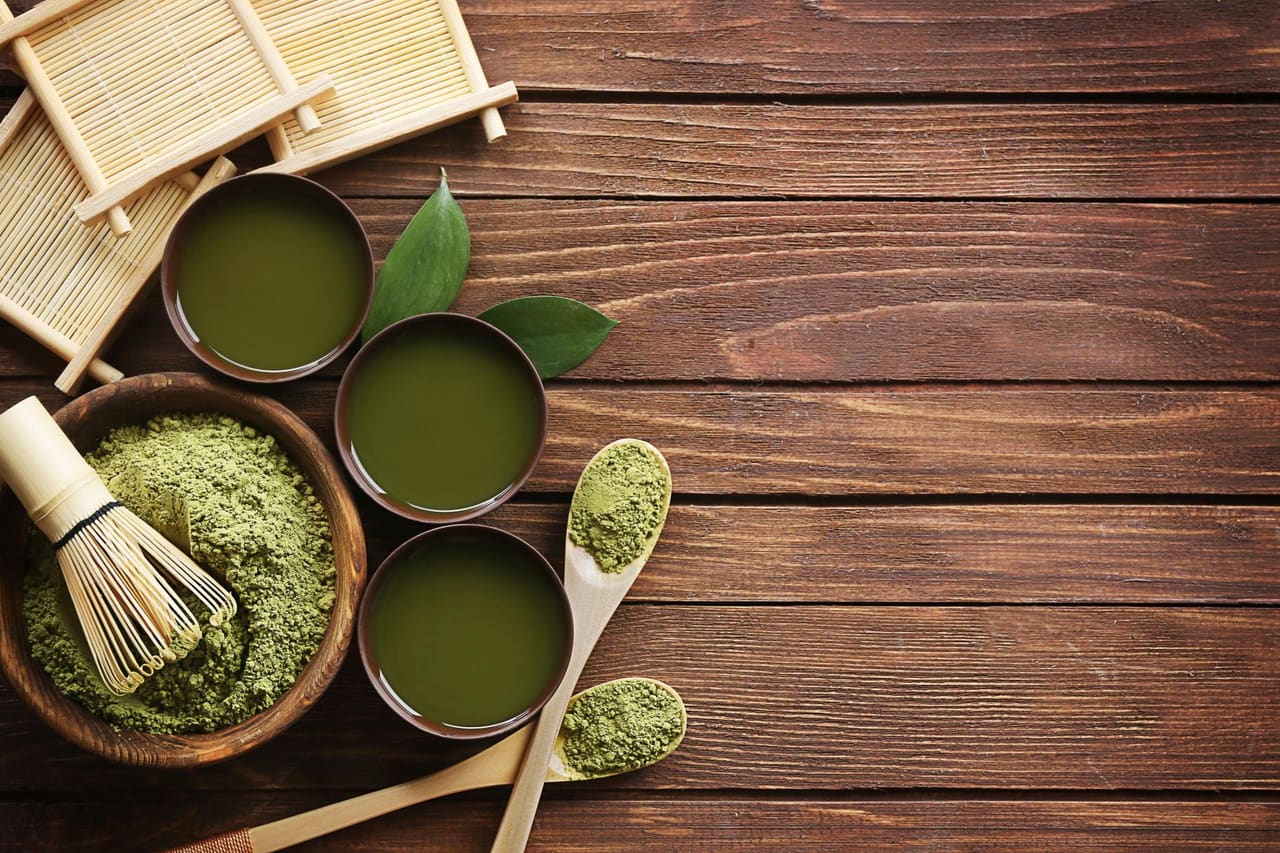
Green tea, drunk for centuries in Japan, is a powerful antioxidant and therefore an excellent fat burner.
Thanks to its plants, it has powerful virtues and medicinal properties:
- It boosts immunity
- Detoxifies the blood,
- Improves vitality and sporting performance
- Helps prevent various cancers as well as cardiovascular diseases.
7. Sesame
These seeds are packed with minerals, including magnesium, zinc and iron. Magnesium is beneficial in case of stress, anxiety and tension thanks to its effects on muscle relaxation.
8. Rice vinegar
"Komezu", commonly called Japanese rice vinegar, has various uses in cooking. It's rich in amino acids, vitamins and antioxidants. It's considered very healthy in Japan; it prevents high blood pressure, reduces cholesterol and high blood sugar.
9. Ginger
Ginger prevents nausea and vomiting; it's the ideal ingredient for pregnant women. It aids digestion, reduces the feeling of fatigue but is also an excellent anti-inflammatory and is good for the heart.
Healthy cooking
Among the different cooking methods of Asian cuisine is wok cooking. This is particularly suited to vegetables, since it preserves their crunch, their flavour but above all their vitamins.
Cooked in very little fat and for a very short time, over high heat, the foods thus keep all their nutritional advantages.
The example of Okinawa
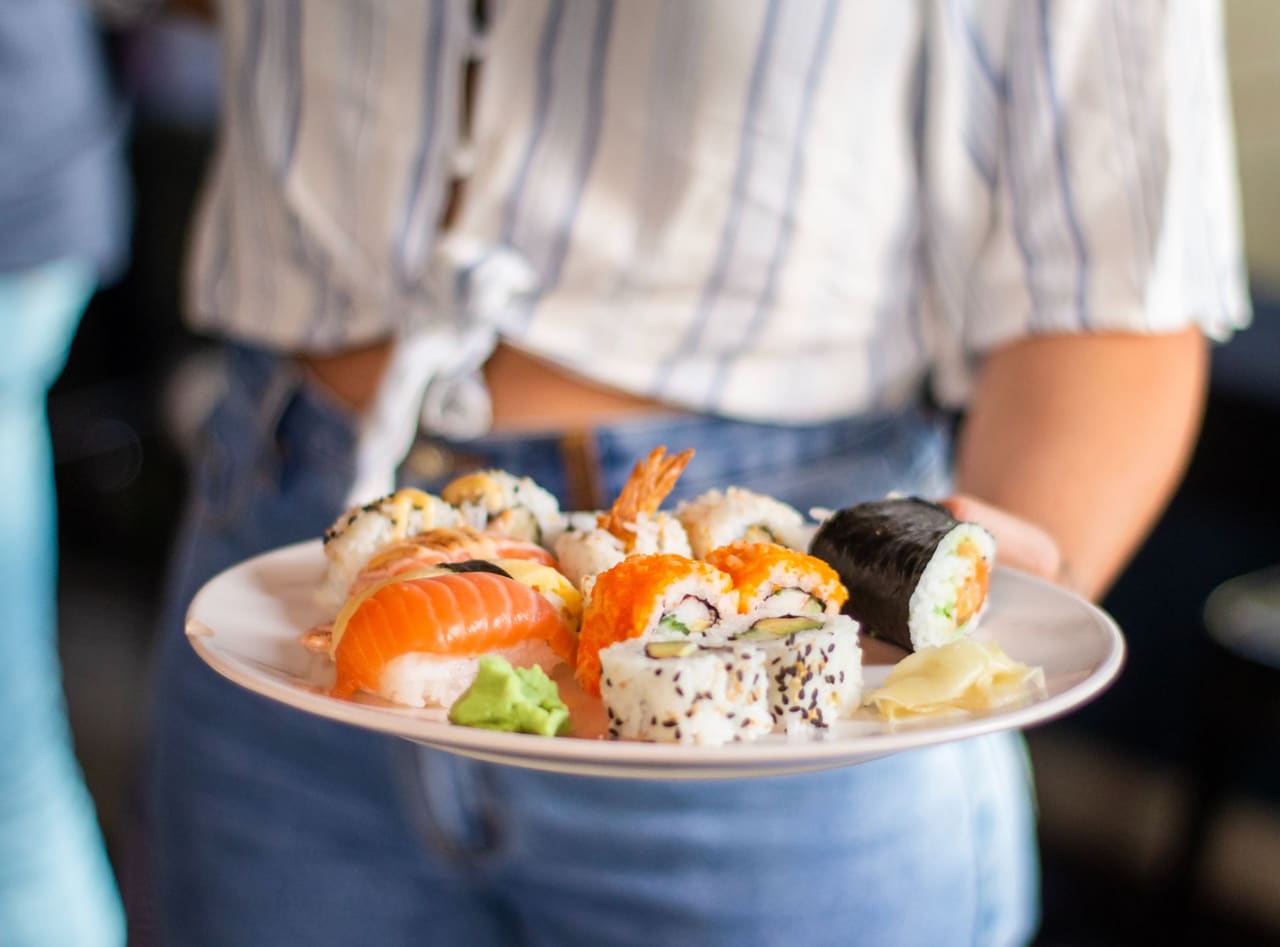
Okinawa, also called the island of centenarians, is an island located in the south of Japan. Okinawa is one of the places on the planet where life expectancy is the highest. The diet of its inhabitants is the source of this particularly high life expectancy.
As elsewhere in Japan, in Okinawan cuisine we find many healthy, low-fat products such as soy, vegetables, rice or green tea.
They also consume a lot of getto: this plant contains many antioxidants and is said to be very beneficial for health.
So, convinced by the benefits of Japanese cuisine? Don't hesitate to adapt it to your usual cooking to enjoy its virtues.


