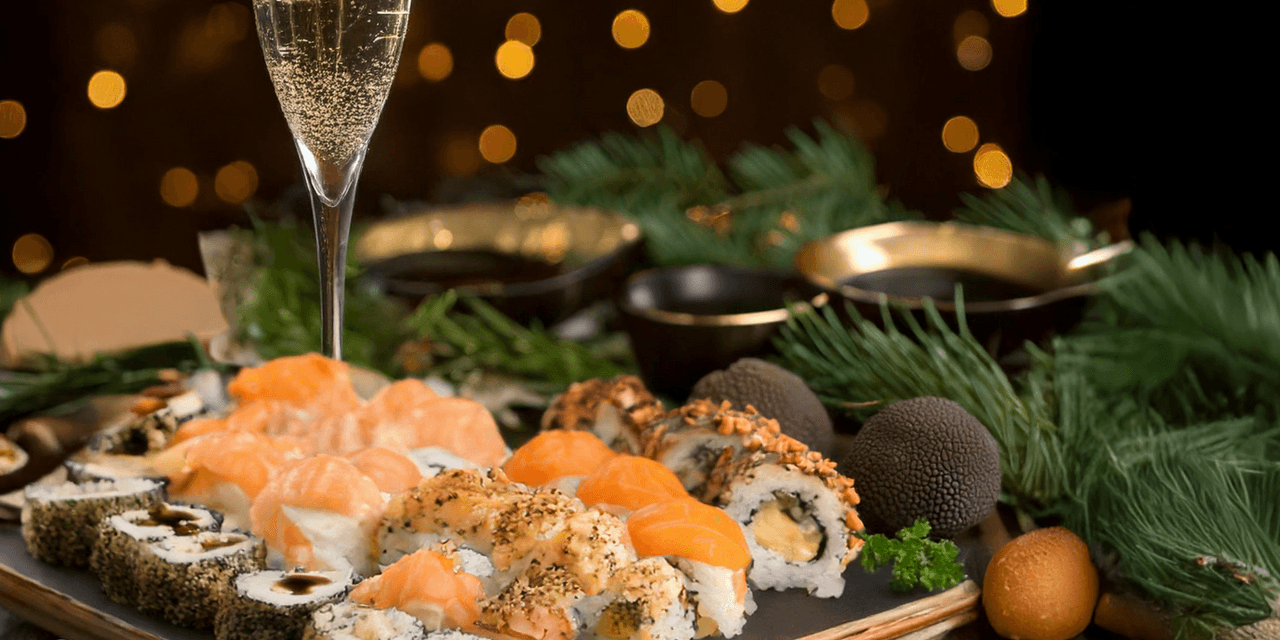
Japan is full of incredible places to visit. Today we take you to discover Japanese culture and its codes. As a foreigner in Japan (gaijin), you need to know a few rules of living to avoid being disrespectful. Discover the rules of etiquette to follow during your stay in Japan.
A few rules of politeness to follow in Japan
Politeness, modesty, cleanliness, punctuality and respect for others are the foundations of Japanese etiquette.
- Avoid all physical contact with a Japanese person. No kiss or handshake, but a slight bow.
- Always use both hands when giving or receiving something, even when handing over money to pay.
- The Japanese rarely refuse directly. It's extremely rare to use "no" in Japan. They'll rather say: "I don't think that will be possible".
- It's important to be on time, even early.
- Avoid the number 4, as it represents death.
- Don't say "tchin tchin" when toasting (the Japanese translation is quite vulgar) but rather Kanpai!
- Don't blow out candles or incense — put them out with a wave of the hand.
General rules
In the street
- For couples, don't kiss in public.
- It's forbidden to smoke in the street, except in the areas provided for it.
- It's frowned upon to eat while walking in the street.
- Avoid looking people straight in the eye
On public transport
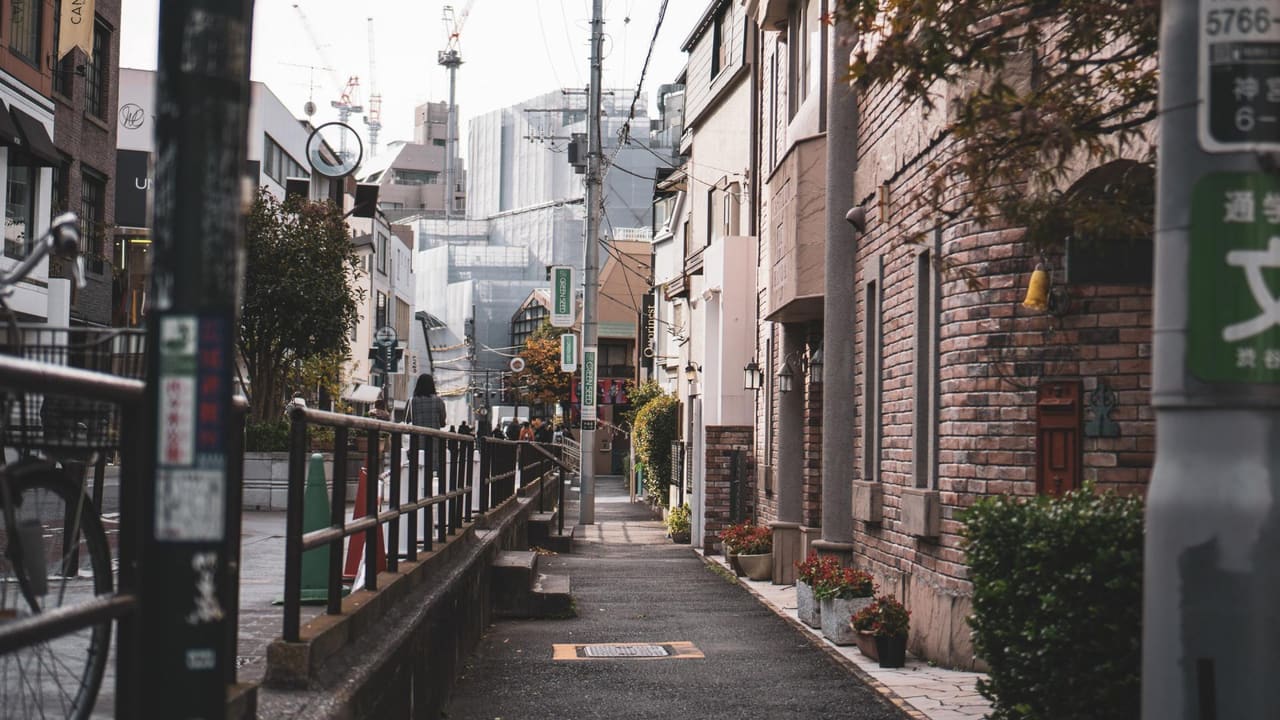
- On escalators, it's agreed to stand on the left side to let people pass on the right. This rule is reversed in the city of Osaka.
- While waiting for the bus or metro, you must respect a single file without jostling.
- Turn off your phone's ringer and avoid talking loudly. The first and last metro carriages are generally off-limits to smartphones so as not to harm sick people and pacemaker wearers.
- Once on public transport — even if the rule applies everywhere — avoid blowing your nose. Particularly into a cloth handkerchief, which is used to dry your hands after washing them. Sniff! That's perfectly tolerated in public.
At the table
- Before starting the meal you must say "itadakimasu", which means 'thank you for the meal'.
- If you're eating with several people, the dishes are generally shared. To serve yourself, use the opposite end of your chopsticks so as not to put the "used" part into the food.
- Make noise while eating! It's recommended to eat your noodles by slurping them with a well-pronounced noise. This practice cools them down but also shows your appreciation of the dish.
You'll be led to eat with chopsticks. Several unspoken rules govern their use:
- Hold your chopsticks in one hand. If you're waiting for food, rest your chopsticks on the chopstick rest or aligned on the table.
- Never stick your chopsticks into your bowl of rice — that refers to a funeral tradition.
- Don't pass food from one pair of chopsticks to another, also a funeral symbol.
- Don't point at someone or something with your chopsticks — that's synonymous with a threat.
- Eat the white rice plain; don't put sauce in your bowl of rice.
- Don't play with your chopsticks.
In the onsen (Japanese baths)
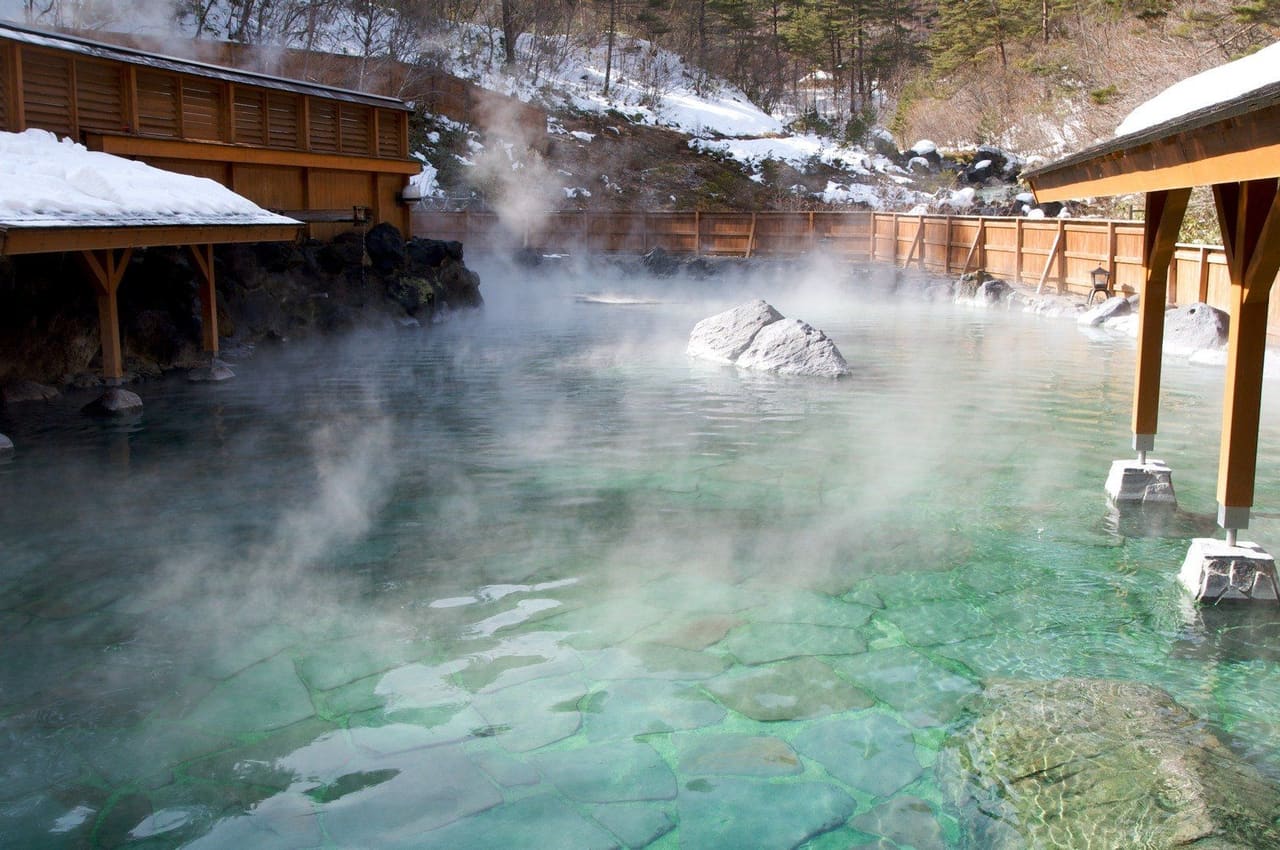
- Wash before entering the bath,
- Bathe naked,
- If you have tattoos, ask for permission to enter a public bath. Indeed, tattoos are associated with the yakuza, the Japanese mafia, and therefore very frowned upon.
At someone's home
- On arriving, greet, thank, compliment and stay modest,
- Take off your shoes in the entrance and place them side by side, in a corner, ideally facing the front door,
- If your host offers you slippers, wear them — except on the tatami,
- Wear another pair of slippers to go to the toilet; a pair dedicated to that room will be at the toilet entrance. So change your indoor shoes when entering and leaving the WC.
- Don't walk around in holey socks at your host's,
- In a house, never step over someone sitting or lying down.
Giving a gift
- Give a gift to your host,
- Take care with the wrapping,
- Offer it with modesty,
- When you're given a gift, it's rude to open it right away — it's a sign of greed and impatience.
Fun fact:
Don't whistle in the evening — a superstition claims it attracts snakes!
To learn more, we recommend watching this video!
So, did you know that to refer to themselves, the Japanese touch their nose?